About Wilberforce
Community College
Over a century of education, resilience, and community transformation — rooted in the vision of Mama Charlotte Mannya-Maxeke.
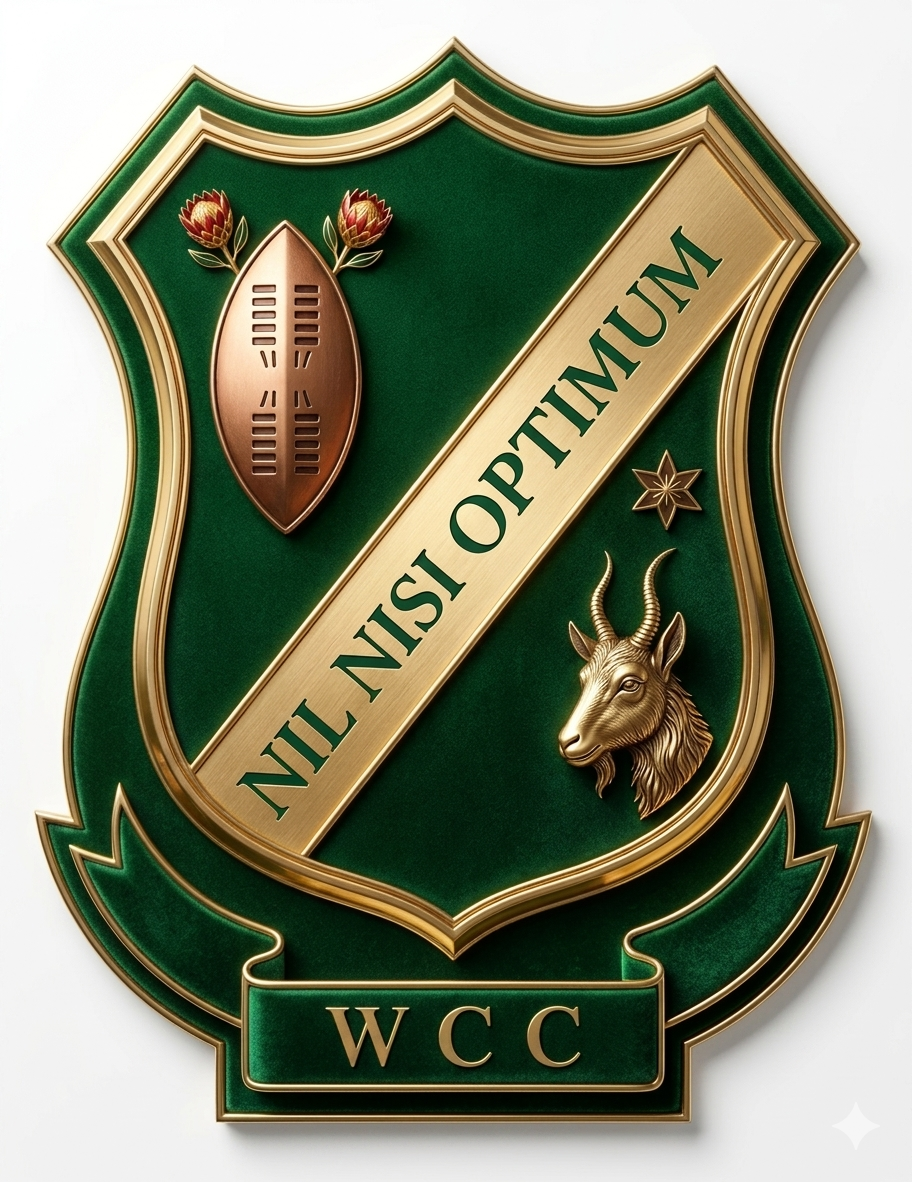
College Motto
"Only the Best
is Good Enough"
1908
Year Founded
115+
Years of Service
AME
Church Founded
Evaton
South Africa
A Legacy of
Over a Century
Wilberforce Community College was founded by the AME Church in 1908 in Evaton, South Africa, and for over 50 years educated ministers and teachers for leadership positions in their communities.
The apartheid laws forced Wilberforce to close in the early 1970s. Crucially, the AME Church was the only denomination that did not sell its property to the apartheid government — an act of extraordinary resilience and principle.
Following the dismantling of the apartheid system, the AME Church commenced the re-establishment of Wilberforce, which is now known as Wilberforce Community College.
1892
AME Church Connection
Kate and Charlotte Mannya study at Wilberforce University, USA; Charlotte becomes instrumental in bringing the AME Church to South Africa.
1908
Wilberforce Institute Founded
Under the AME Church, Charlotte and Rev. Marshall Maxeke found the Wilberforce Institute in Evaton — the first African independent school in the Transvaal.
Early 1970s
Forced Closure
Apartheid legislation forces Wilberforce to close. The AME Church refuses to sell its property — the only denomination to resist.
Post-Apartheid
Wilberforce Community College
AME Church re-establishes the institution as Wilberforce Community College, continuing the legacy of excellence and community empowerment.
World-Class Learning Spaces
Maxeke / McKinney
Renaissance Center
Main Campus Building
The Charlotte Maxeke / Joseph McKinney Renaissance Building is the main campus structure, housing administration and lecturer offices, conference rooms, study rooms, and classrooms.
info Through USAID/DCHA/PVC-ASHA grants, the college plans to expand with dormitories, a dining hall, and a community centre.
Distance Learning Center
& Faculty Housing
Technology & Accommodation
Purpose-built learning spaces equipped with cutting-edge ICT infrastructure, combined with comfortable on-campus housing for visiting faculty.
Distance Learning Classroom
25 workstations with access to Web-ICT software for remote and blended learning.
Resource Centre
26 workstations for training students across Information Technology subjects, topics, and practical skills.
Faculty Housing
Six fully furnished and equipped houses accommodating visiting professors and volunteers.
1871 – 1939
Charlotte Makgomo
Mannya-Maxeke
"The First of Everything"
"Only the Best is Good Enough."
Hers was a vision to see a Black child settle for nothing less than the best. Wilberforce Community College was established to realise the African dream — to serve as a vehicle to transform the Black community from mere consumers to active participants in the production of goods and services.
emoji_events Notable Firsts
First Black South African woman to achieve a BSc degree in 1901
First woman to participate in the King's Courts under King Sabata Dalindyebo of AbaThembu
Established a school in Evaton with her husband in 1908 (Wilberforce Institute)
Only woman who attended the first ANC conference in 1912
Co-initiator, organiser, and first President of the Bantu Women's League (1918) — which later became the ANC Women's League
Mannya-Maxeke drew inspiration from her life-long vision of lifting others up, and from her time in the United States at the Wilberforce Institution — a place that has produced generations of leaders across various sectors of society and industry.
Wilberforce was the first African independent school that had ever opened in the Transvaal. From the start, it faced the challenge of developing a programme for children from poor socio-economic backgrounds, setting educational standards that would meet South Africa's economic needs — without any grant-in-aid from the government.
While other mission schools enjoyed government funding during the apartheid era, Wilberforce was solely funded by the African Methodist Episcopal Church and was seen by communities in Evaton and across South Africa as a liberator of the Black majority.
Around 1892, Kate and Charlotte Mannya were studying at Wilberforce University in America. It was Charlotte who was instrumental in getting Rev. Mokone to initiate discussions about joining the AME Church — making her the driving force behind its founding in South Africa. On her return, she worked for the church body, mind and soul. In 1908, under the auspices of the AME Church, she and Rev. Marshall Maxeke founded the Wilberforce Institute in Evaton.
The AME Church Legacy
The African Methodist Episcopal Church has been the backbone of Wilberforce since its founding in 1908. During the darkest years of apartheid, it was the AME Church's unwavering refusal to surrender the property that kept the dream of Wilberforce alive.
The history of the institution shows that Charlotte Maxeke's curriculum was based on the "whole person" — clearly indicating her dedication to her church, her students, the institution, and her country. This founding philosophy continues to guide Wilberforce Community College today.
Sole funder during apartheid — refusing government co-option when every other denomination sold out.
Whole-person curriculum from day one — spiritual, intellectual, and vocational development combined.
Revived after apartheid — AME Church re-established Wilberforce as a community college open to all.
Be Part of the Legacy
Join a century-old institution built on excellence, community, and the belief that only the best is good enough.